

Exploring Music Appreciation Benefits Through Classes
- Treble Time Music Studio

- Jan 2
- 3 min read
Music is a universal language that connects people across cultures and generations. Introducing children to music at an early age can have profound effects on their development. Music appreciation classes provide a safe and nurturing environment where families and children can explore the world of music. These classes not only expose young learners to different musical styles but also support their motor skills, language development, social skills, and empathy.
Music appreciation is more than just listening to songs; it is about understanding and valuing the art form. This blog post will explore the many benefits of music appreciation classes, practical ways to engage children in music, and how these classes can positively impact their growth.
The Many Music Appreciation Benefits for Children
Music appreciation benefits children in numerous ways, making it an essential part of early education. Here are some key advantages:
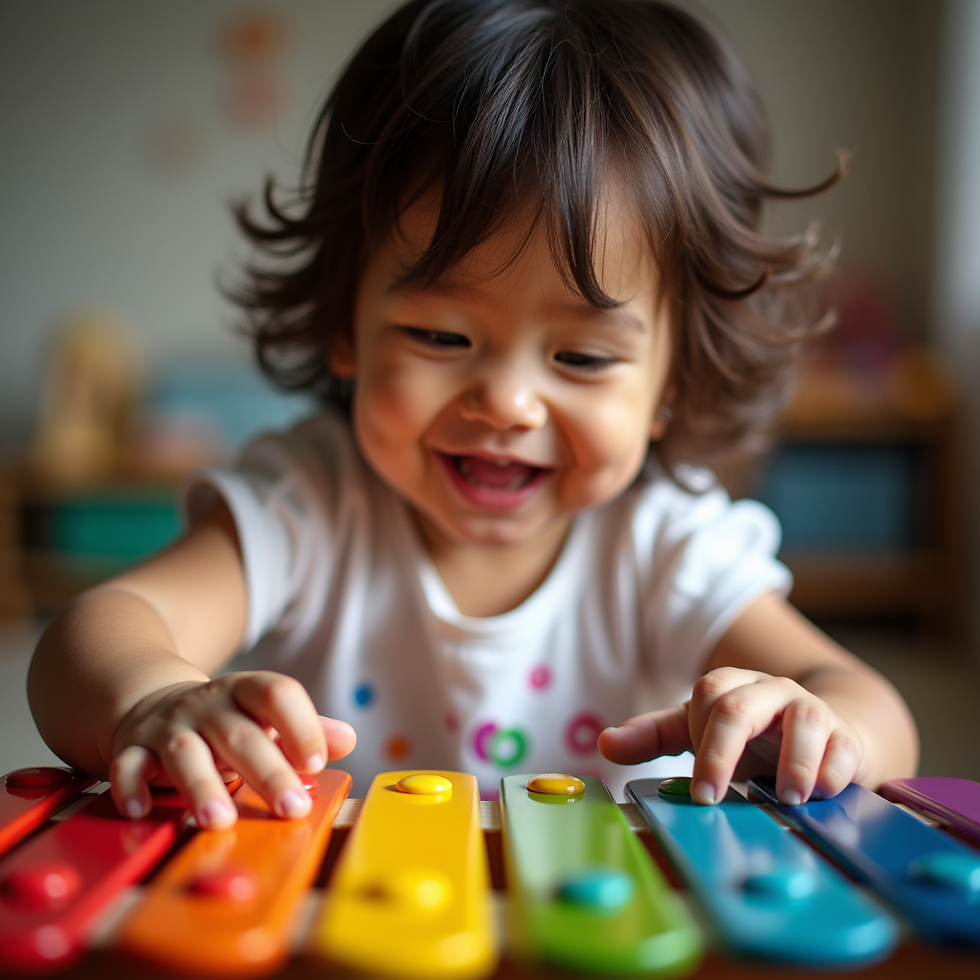
Enhances Motor Skills: Playing instruments or moving to rhythms helps children develop coordination and fine motor skills. For example, tapping a drum or clapping hands to a beat requires precise timing and control.
Boosts Language Skills: Music introduces children to new vocabulary, sounds, and patterns. Singing songs and rhymes can improve pronunciation, listening skills, and memory.
Fosters Social Skills: Group music activities encourage cooperation, turn-taking, and communication. Children learn to listen to others and express themselves in a supportive setting.
Develops Empathy: Music often conveys emotions and stories. By exploring different genres and cultures, children gain a deeper understanding of feelings and perspectives beyond their own.
Parents and educators can support these benefits by choosing music appreciation classes that emphasize interactive and inclusive learning. Classes that combine listening, movement, and creative expression tend to be the most effective.

How to Choose the Right Music Appreciation Classes
Selecting the right music appreciation classes is crucial to maximize the benefits for children. Here are some tips to consider:
Age-Appropriate Curriculum: Look for classes designed specifically for the child’s age group. Younger children benefit from simple rhythms and songs, while older kids can explore more complex musical concepts.
Qualified Instructors: Teachers should have experience in early childhood music education and be able to create a positive, encouraging atmosphere.
Interactive Activities: Classes that include singing, dancing, instrument play, and listening exercises keep children engaged and make learning fun.
Small Class Sizes: Smaller groups allow for more personalized attention and better social interaction.
Safe and Inclusive Environment: The space should be welcoming and supportive, where children feel comfortable expressing themselves.
Many community centers, schools, and music studios offer music appreciation classes that meet these criteria. Visiting a class or reading reviews can help parents make informed decisions.
Practical Ways to Support Music Appreciation at Home
Parents and caregivers can extend the benefits of music appreciation classes by incorporating music into daily routines. Here are some actionable recommendations:
Create a Music-Friendly Environment: Have a variety of musical instruments and recordings available at home. Encourage children to explore sounds and rhythms freely.
Sing Together: Singing familiar songs or making up new ones strengthens language skills and emotional bonds.
Attend Live Performances: Taking children to concerts, recitals, or community music events exposes them to different musical experiences.
Use Technology Wisely: Educational apps and online resources can supplement learning but should be balanced with hands-on activities.
Encourage Creative Expression: Allow children to compose simple tunes, dance, or create music-related art projects.
By actively participating in their child’s musical journey, families reinforce the lessons learned in music appreciation classes and foster a lifelong love of music.
The Lasting Impact of Music Appreciation on Child Development
Music appreciation classes do more than teach children about music; they contribute to holistic development. The skills gained through music - from motor coordination to empathy - are transferable to other areas of life. Children who engage with music tend to perform better academically, have higher self-esteem, and develop stronger social connections.
Moreover, music provides a safe space for emotional expression and cultural exploration. It helps children understand diversity and build compassion, which are essential qualities in today’s world.
Encouraging children to participate in music appreciation classes is an investment in their future. It nurtures creativity, cognitive growth, and emotional intelligence, laying a foundation for well-rounded development.
Music appreciation classes offer a unique opportunity for children to explore the rich world of music while developing essential life skills. By choosing the right classes and supporting musical activities at home, families can help children unlock the many benefits that music has to offer. Whether through rhythm, melody, or shared experiences, music remains a powerful tool for growth and connection.


Comments